


In a world that constantly tells us to rush, multitask, and “get dinner done fast,” choosing slow cooking on purpose feels almost rebellious.
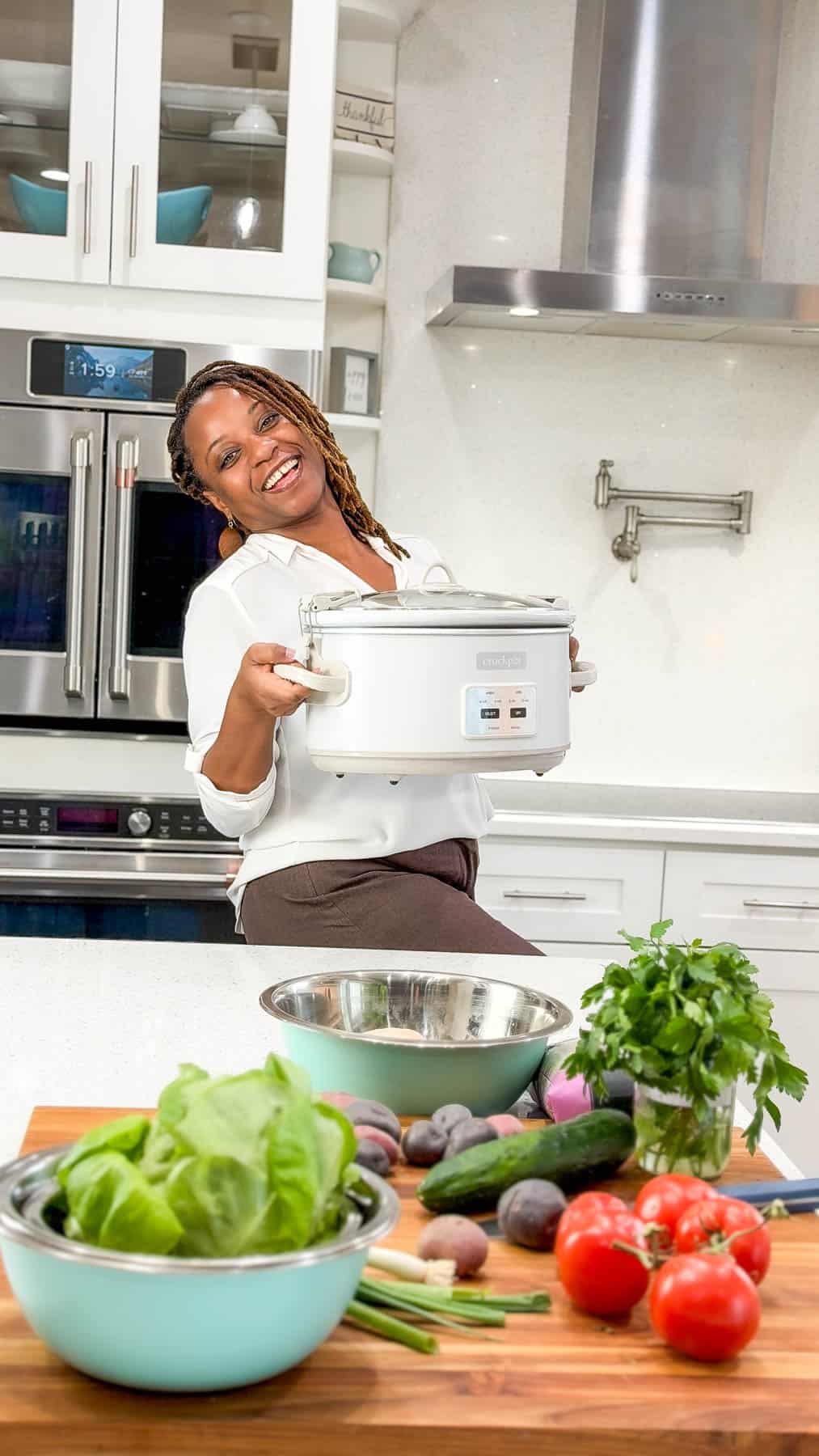
But here’s the truth I’ve learned over time: when we slow down in the kitchen, everything else seems to fall into place—our food tastes better, our minds feel calmer, and cooking becomes something we experience, not just complete.
Slow cooking on purpose isn’t about spending hours in the kitchen every night. It’s about intention.
It’s about choosing presence over pressure and turning everyday meals into moments of care—for ourselves and for the people we feed.
What Slow Cooking on Purpose Really Means
Slow cooking on purpose doesn’t mean complicated meals or fancy techniques. It means:
- Cooking with awareness, not urgency
- Letting flavors develop naturally
- Allowing the kitchen to be a grounding space, not a stressful one
- Making choices that support your energy, not drain it
It’s the opposite of chaos cooking. And for many of us, especially busy women balancing work, family, and life, that shift matters more than we realize.
Why Rushing Through Meals Costs Us More Than Time
When we rush through cooking, we often don’t notice:
- Over-seasoned or under-seasoned food
- Burnout from constant decision-making
- Food waste from poorly planned meals
- The emotional disconnect from the process
Slow cooking invites us to notice. To stir without checking our phone. To smell spices blooming in oil. To trust the process instead of fighting the clock.
This mindset pairs beautifully with Reset Before Cooking: A Simple Kitchen Habit That Changes Everything, where we talk about preparing the space before touching a single ingredient.
The Emotional Side of Cooking Slowly
There’s something deeply comforting about slow cooking. It reminds us that:
- Nourishment isn’t rushed
- Care takes time
- Feeding people is an act of love
Whether it’s letting onions caramelize fully or allowing a pot of food to simmer without interruption, slow cooking creates space—not just on the stove, but in our hearts and minds.
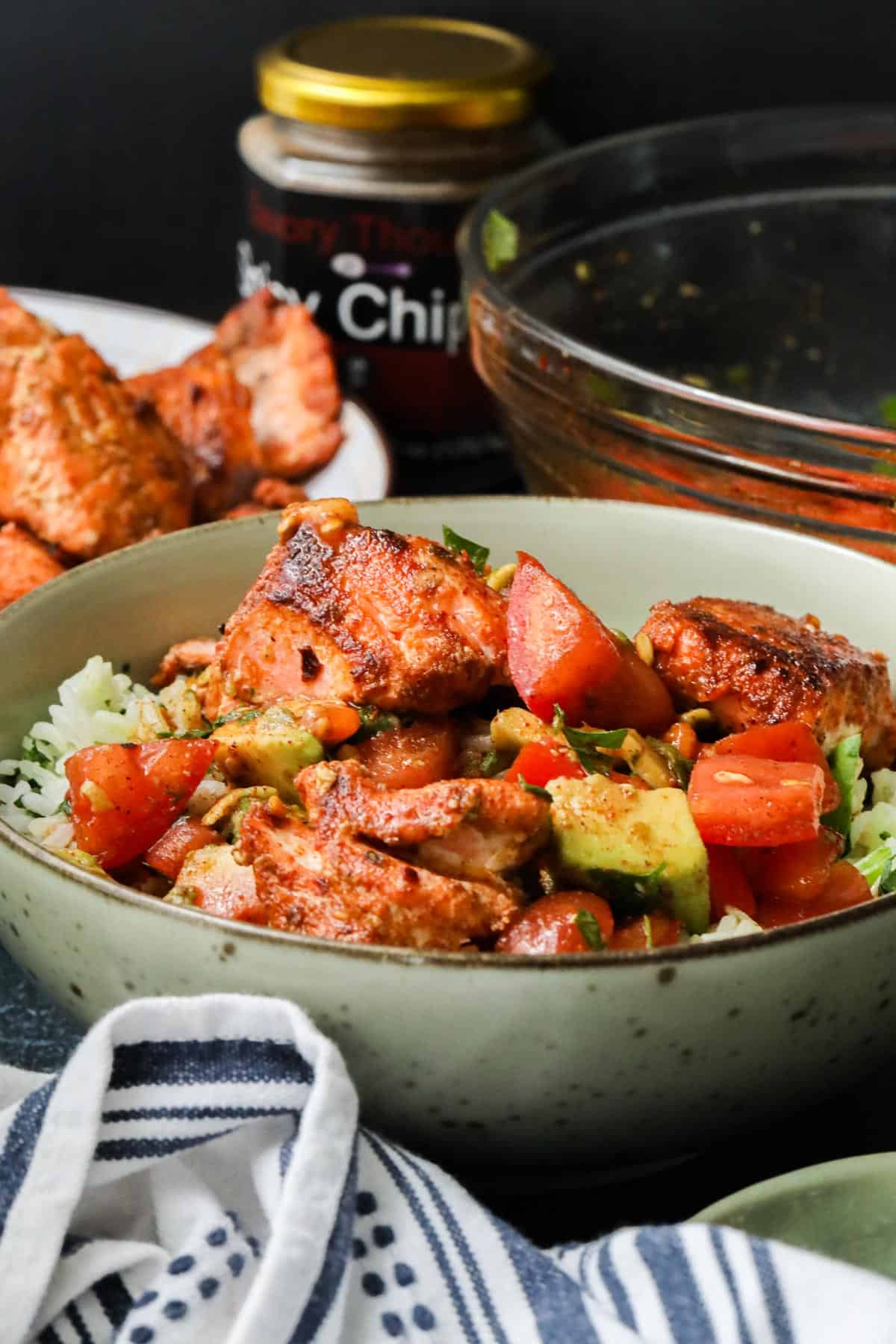
This is why lifestyle kitchen habits matter just as much as recipes.
If you haven’t already, you may enjoy:
- Kitchen Habits That Save You Time, Money, and Stress
- How Creating a Calm Kitchen Routine Changed My Cooking
How to Practice Slow Cooking on Purpose (Without Cooking All Day)
You don’t need endless time to cook with intention. Here’s how to make it practical:
1. Choose One Meal a Week to Slow Down
Not every meal needs to be intentional. Pick one—Sunday dinner, a midweek reset meal, or a cozy weekend lunch.
2. Prep Earlier, Cook Calmer
Chop vegetables ahead of time or marinate proteins earlier in the day. When cooking time comes, you’re present—not rushed.
3. Cook One-Pot or Low-Interruption Meals
Meals that simmer, roast, or gently cook allow you to step back and let the food do its thing.
4. Create a Kitchen Atmosphere
Lower the lights. Play soft music. Light a candle. This transforms cooking from a task into a ritual.
This approach aligns beautifully with Simple Kitchen Routines That Make Cooking Feel Easier.
Why Slow Cooking Supports Better Eating Habits
When you slow down:
- You taste more intentionally
- You’re less likely to overeat
- You appreciate simple ingredients and spices
- You waste less food
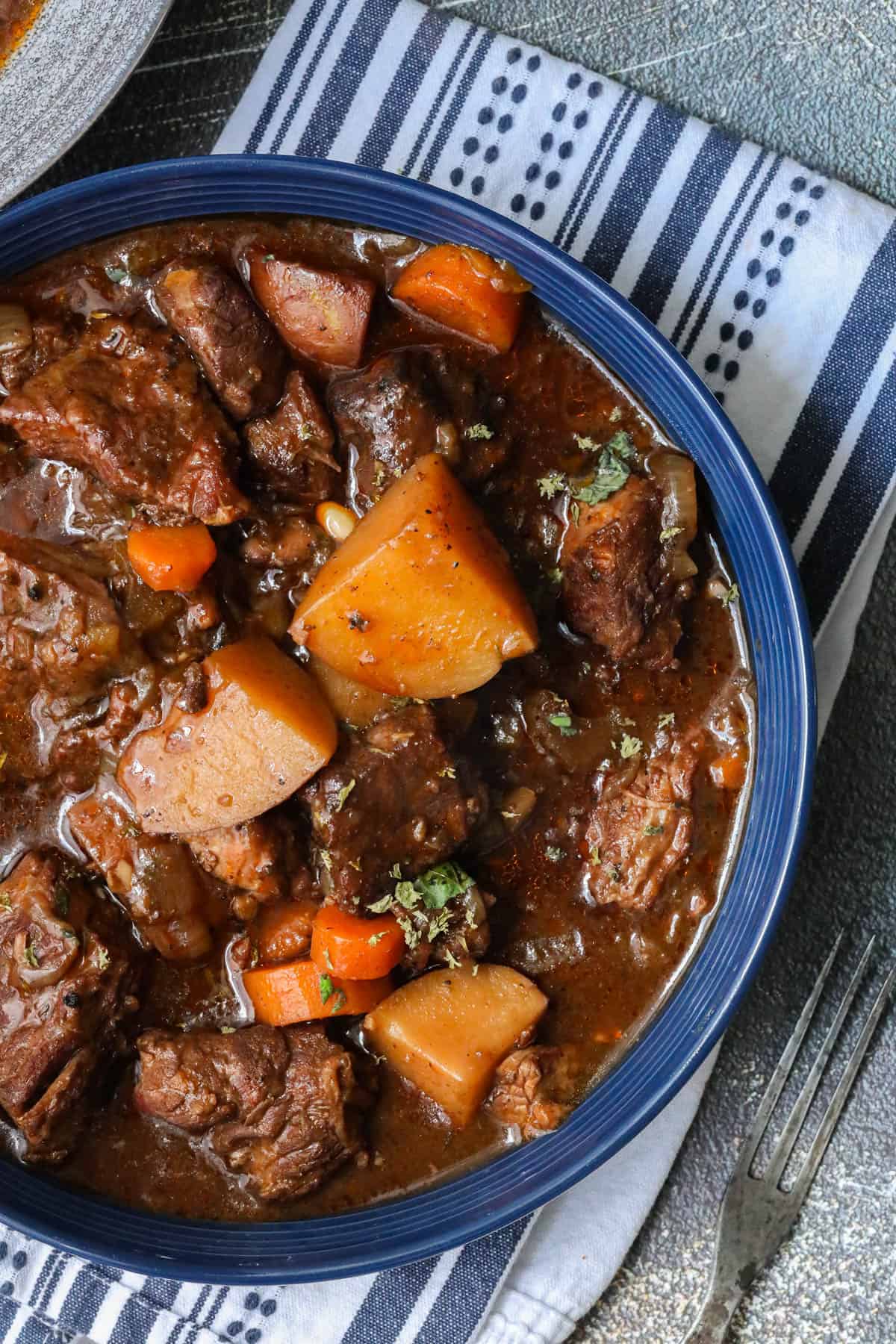
Slow cooking encourages mindful eating—something many of us crave without realizing it.
Slow Cooking Is a Lifestyle, Not a Trend
This isn’t about aesthetics or perfection. It’s about choosing calm where you can. About reclaiming the kitchen as a place of peace, nourishment, and creativity.
We believe cooking should support your life—not overwhelm it. Slow cooking on purpose is one small, powerful way to start.
Leave a Reply